
 En
En
 Español
 русский
 عربى
عربى
What is a Kids Scooter?
Date:Aug 07, 2026
Content
- 1 Kids Scooter Types: Three-Wheel, Two-Wheel and Folding Designs
- 2 What a Kids Scooter Is Made Of
- 3 Explore the Feile Kids Scooter Collection
- 4 Why a Kids Scooter Matters for Child Development
- 5 Choosing the Right Kids Scooter by Age
- 6 Manufacturing Standards and Safety Certifications
- 7 Scooter Type Preference Across Age Groups
- 8 Keeping a Kids Scooter Safe Over Time
- 9 Frequently Asked Questions
A kids scooter is a wheeled, self-propelled riding toy that a child stands on and moves by pushing one foot against the ground, steering through a handlebar mounted on a vertical stem. Most models balance on three or four wheels for younger riders or two wheels for older, more confident children, and they are built from lightweight metal frames, wide non-slip decks, and shock-absorbing PU wheels. As a daily activity, a kids scooter helps children build balance, leg strength, and coordination while giving families an easy, low-cost way to get outside together.
Kids Scooter Types: Three-Wheel, Two-Wheel and Folding Designs
Not every kids scooter is built the same way, and matching the frame type to a child's age and riding skill is the single biggest factor in comfort and safety. As an established Kids Scooter Supplier, we group our range into three practical families so buyers can shortlist the right structure before looking at colors or graphics.
| Scooter Type | Steering Behavior | Best Fit Age |
| Three-Wheel Lean-to-Steer | Turns by tilting body weight, resists side-tipping | 2 to 5 years |
| Two-Wheel Standard | Direct handlebar steering, higher speed potential | 6 to 12 years |
| Folding Multi-Function | One-touch fold latch, some models convert to a ride-on car | 3 to 10 years |
What a Kids Scooter Is Made Of
Behind the bright colors, a well-made kids scooter is really an engineering product. The frame, deck, wheels and brake each carry their own load and safety requirements, which is why a serious Children's Scooter Manufacturer China treats every part as a tested component rather than a cosmetic detail.
Frame
High-strength aluminum alloy or thickened carbon steel, either one-piece molded or reinforced-welded to resist bending under repeated impact.
Deck
A widened, non-slip matte platform sized to hold both feet securely during pushing, gliding and braking.
Handlebar
Telescopic, height-adjustable stem with soft TPR grips so one scooter can be used across several growth stages.
Wheels & Brake
High-elasticity PU wheels with sealed bearings, paired with a rear-wheel foot brake for quick, controlled stopping.
Explore the Feile Kids Scooter Collection
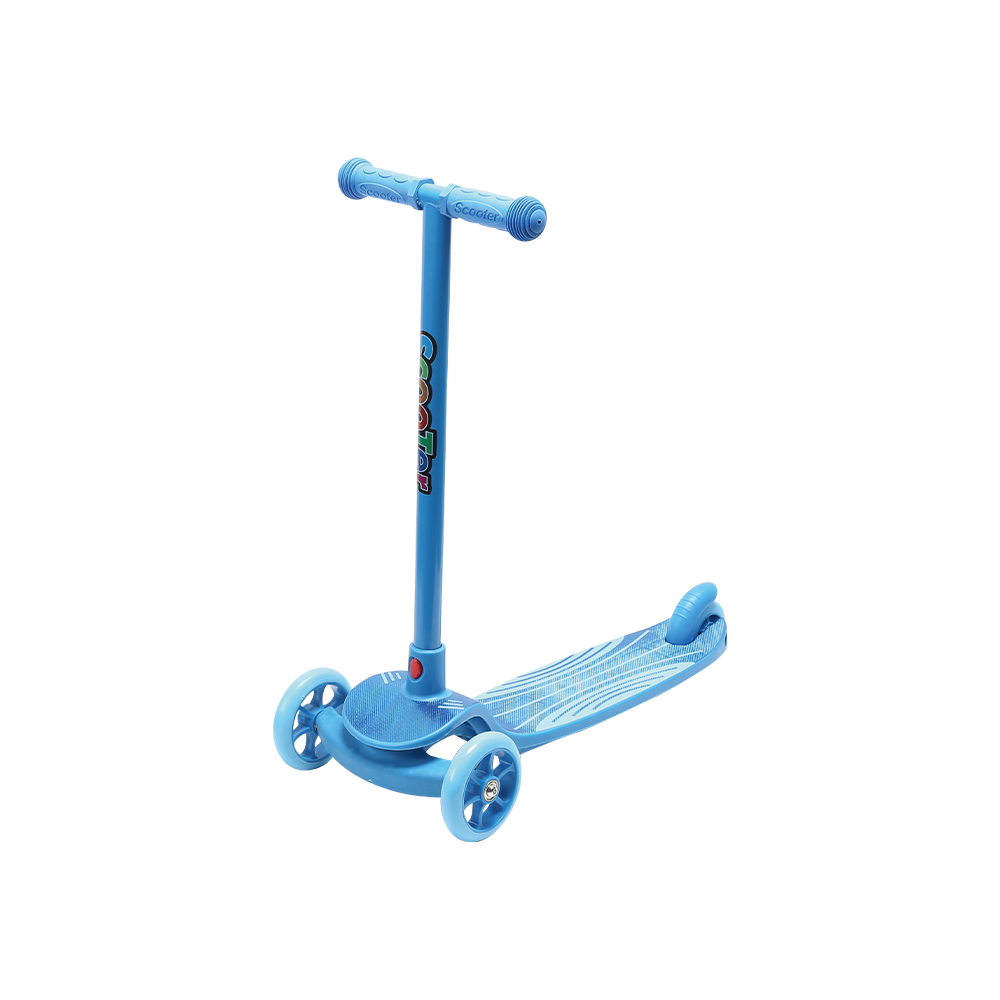
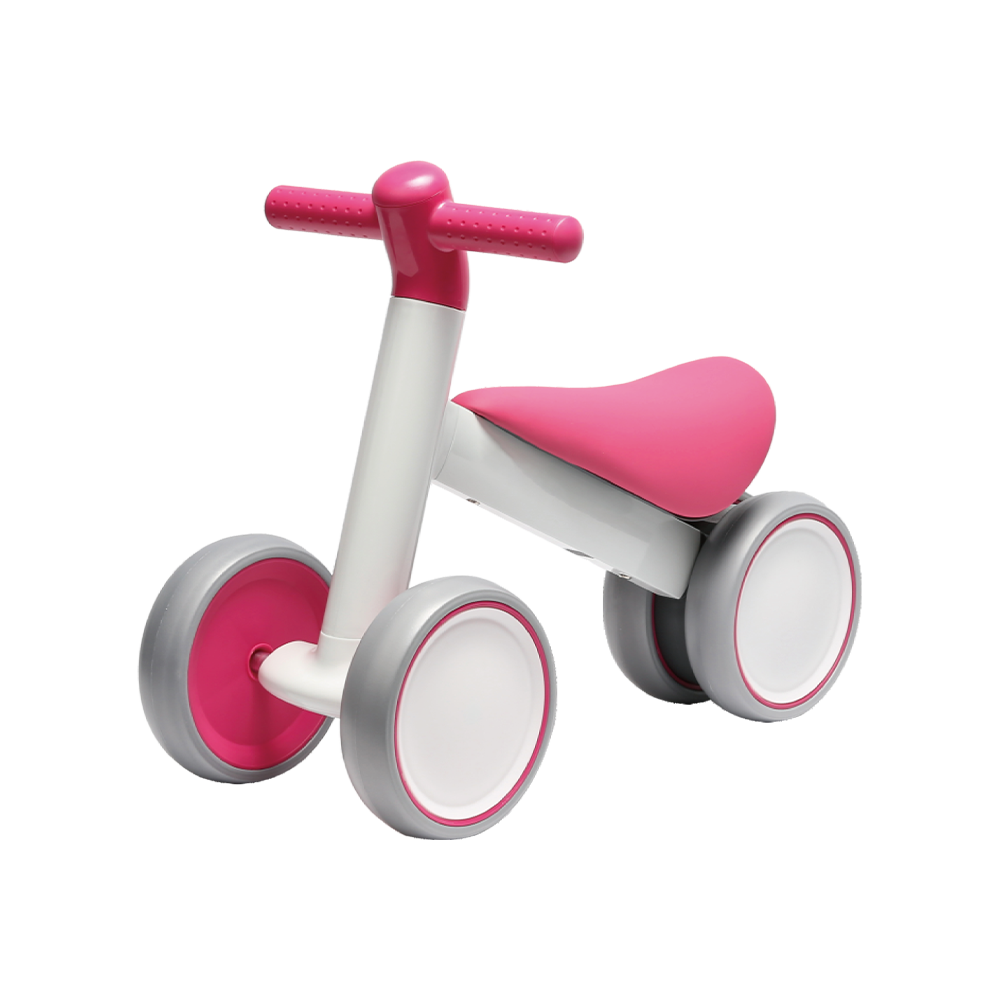
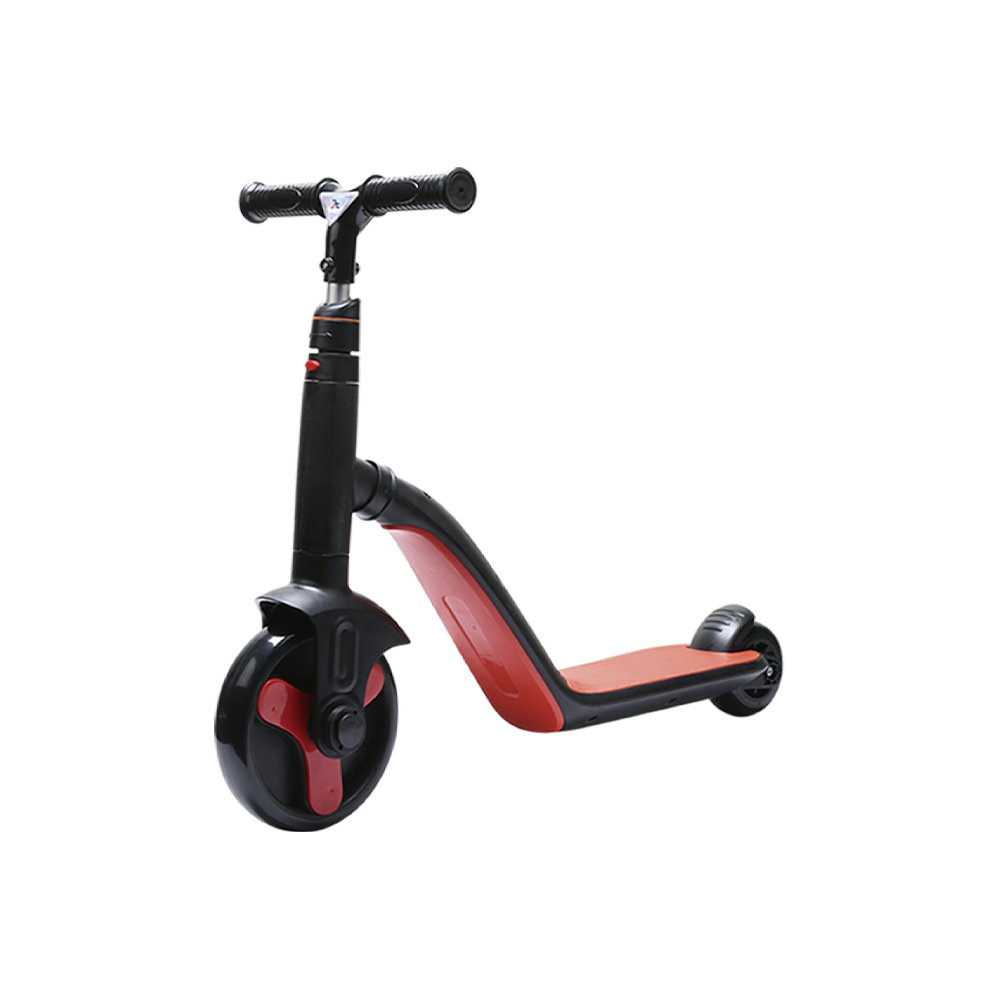
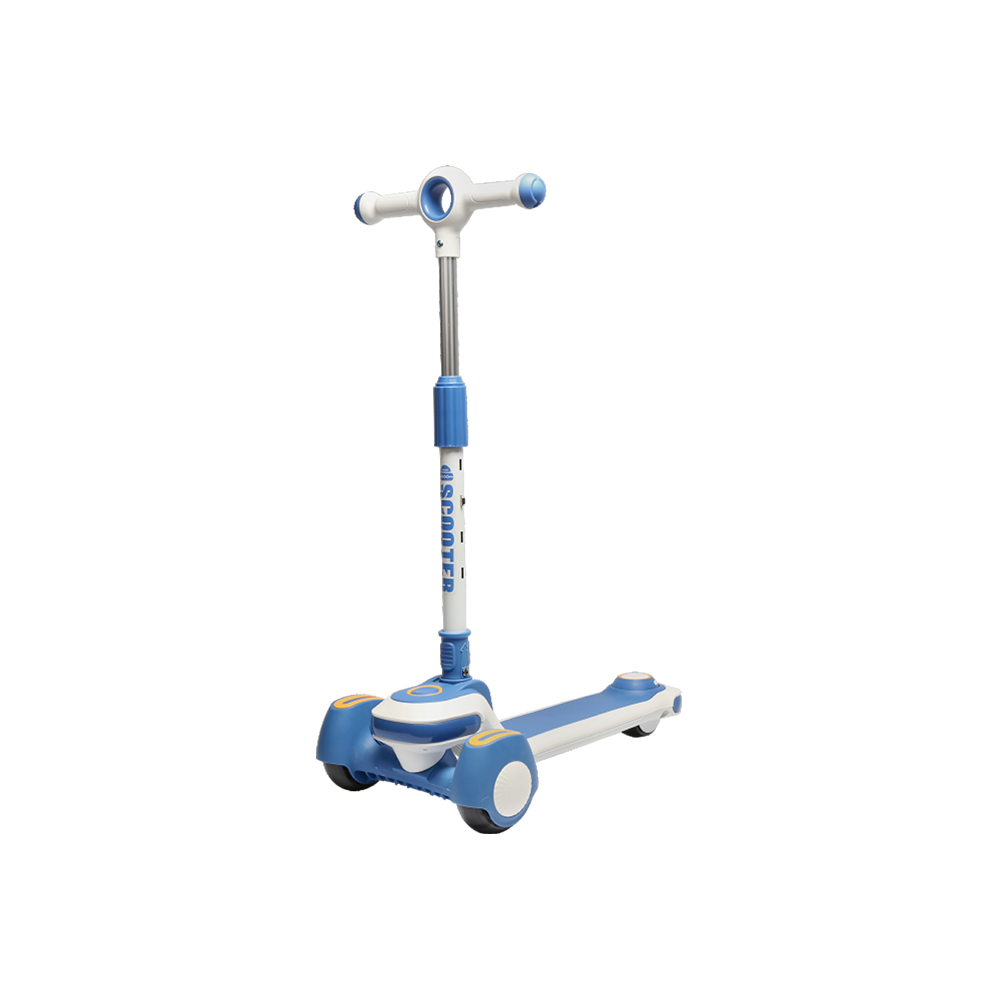
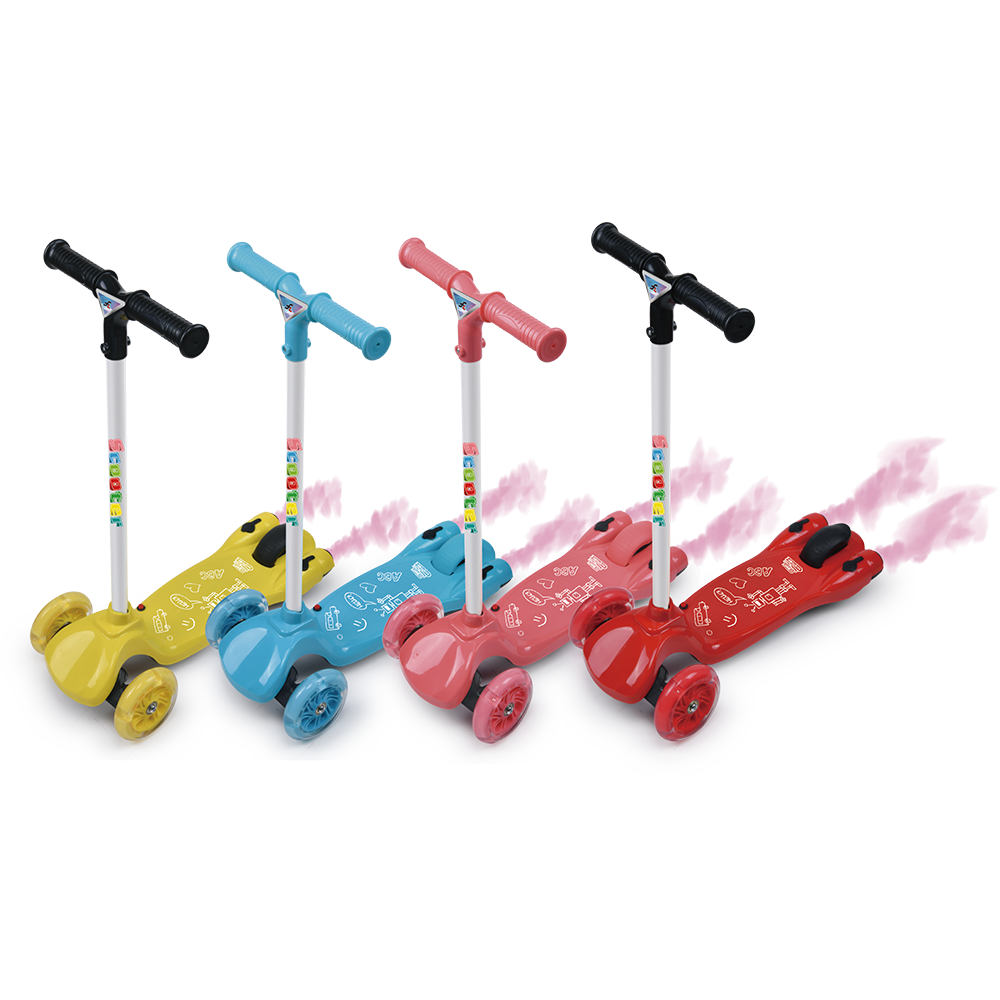
From first-ride three-wheelers to light-up models for older kids, our Kids Scooter Factory produces a full line-up ready for Wholesale Children's Scooter orders and private-label OEM Kids Scooter programs.
Why a Kids Scooter Matters for Child Development
Riding a scooter is one of the simplest ways for a child to practice full-body coordination without realizing it is exercise. The chart below reflects general developmental focus areas typically associated with regular scooter play, rated on a relative 10-point scale.
Choosing the Right Kids Scooter by Age
Age-matching is the fastest way to avoid a scooter that is either too tricky or too tame for a child. Use the steps below as a general starting guide, then confirm with a child's actual height and confidence level.
Wide three-wheel base, low deck height, short push distance, seated conversion optional.
Three-wheel lean-to-steer with adjustable handlebar height and a foldable frame for daycare or travel.
Two-wheel or light three-wheel models with a foot brake, wider wheelbase for higher speed control.
Two-wheel standard scooter, larger off-road wheels available for parks, trails and rougher pavement.
Manufacturing Standards and Safety Certifications
A kids scooter is a toy but it is also load-bearing equipment, so it needs to be produced and tested like one. Every unit leaving our facility goes through steel mold stamping, polymer injection molding, powder coating and joint load testing before it reaches an OEM Kids Scooter client.
- 3C Compliance
- CE / EN71
- ASTM F963
- EN 13843
Frame Testing: repeated drop and load tests on stems, joints and deck welds.
Wheel Testing: abrasion and bearing-life checks on every PU wheel batch.
Coating Testing: lead and phthalate screening on all painted or printed surfaces.
Packaging Testing: drop-test simulation for long-distance export shipping.
Scooter Type Preference Across Age Groups
Buyer feedback and reorder patterns from our Wholesale Children's Scooter partners consistently show a shift from three-wheel to two-wheel demand as children grow older. The illustration below summarizes that general shift.
Keeping a Kids Scooter Safe Over Time
Wheel Check
Spin each wheel monthly and listen for grinding, which signals bearing wear that needs replacement.
Bolt Tightening
Check the stem clamp and deck screws every few weeks, especially after a folding model is packed for travel.
Brake Response
Test the rear foot brake before every ride; replace the brake pad once stopping distance noticeably increases.
Storage
Store indoors or under cover to protect bearings and printed graphics from prolonged rain and direct sun.
Frequently Asked Questions
Is a three-wheel or two-wheel kids scooter safer for a beginner
A three-wheel lean-to-steer model is generally the safer starting point, since its wider stance resists side-tipping while a child is still learning to balance and steer at the same time.
Can one scooter fit a child as they grow
Most modern frames use a telescopic, multi-position handlebar, so a single unit can typically follow a child from toddler height through early school age before an upgrade is needed.
What should a bulk buyer check before placing an OEM order
Confirm the factory's safety certificates such as 3C, CE, EN71 and ASTM, request load-test documentation, and ask for sample units before committing to a Wholesale Children's Scooter production run.
Recommended Articles
-
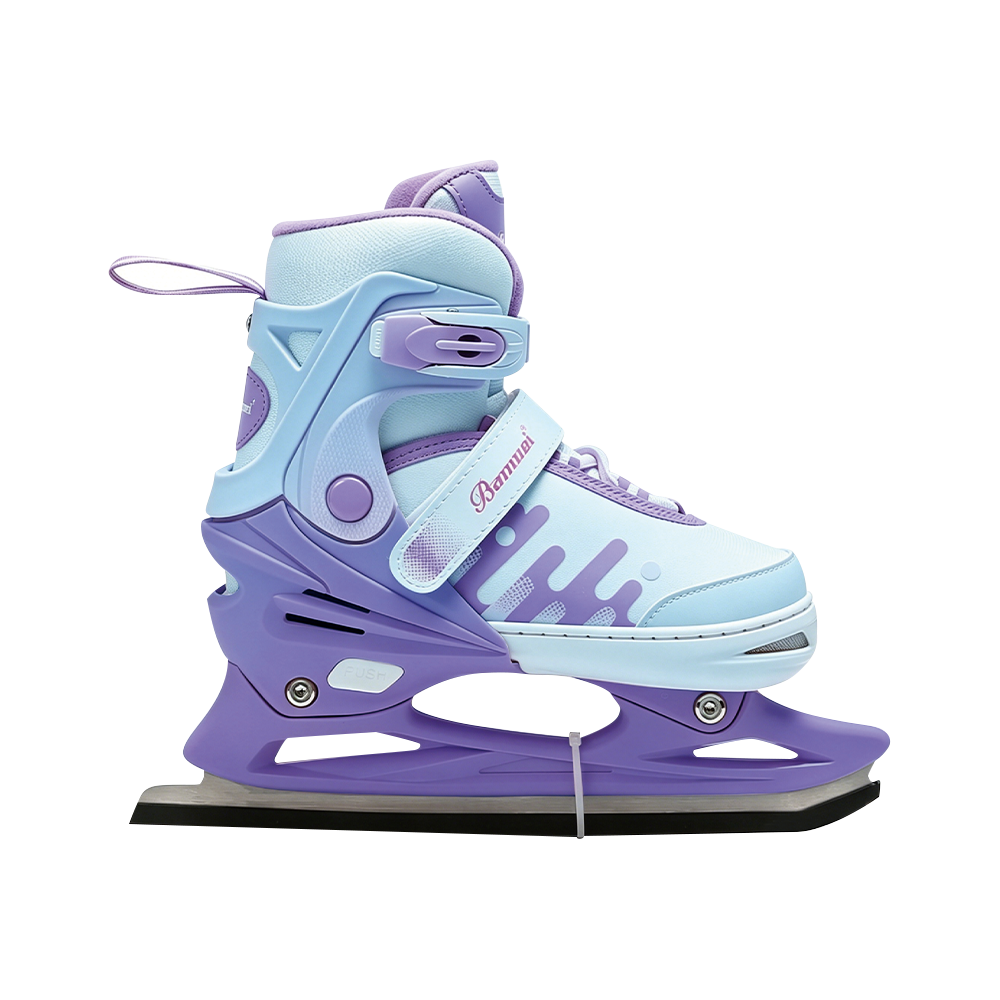
BW-127BD Kids Ice Skate05/09
-
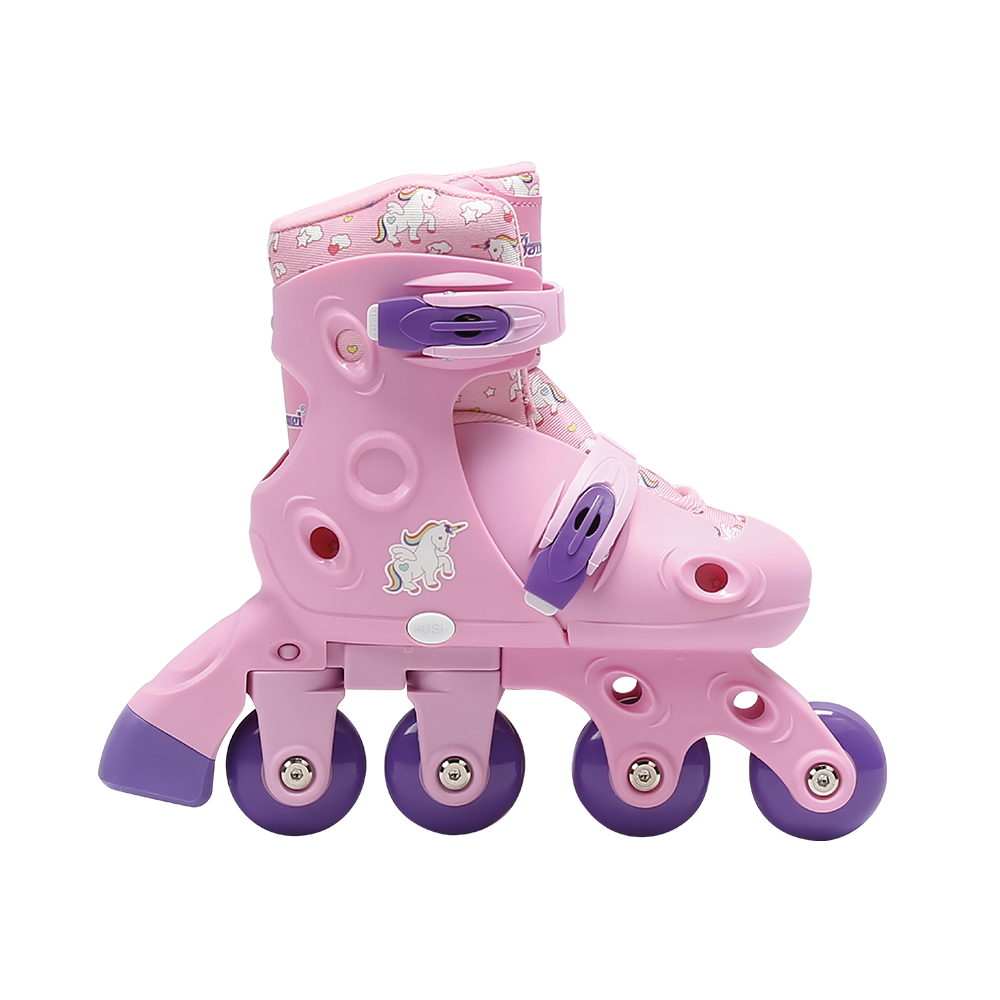
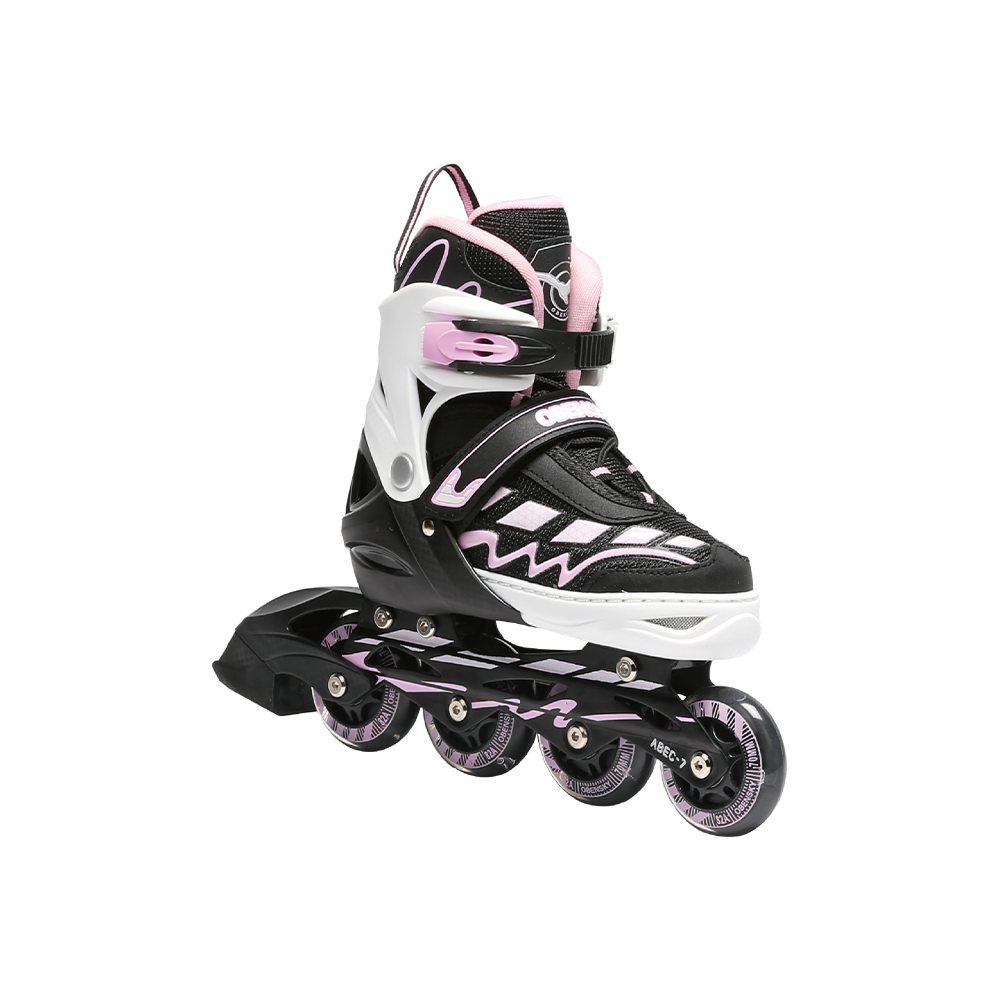
BW-182 Kids Inline Skate05/09

Get in Touch
Your email address will not be published. Required fields are marked *
Have a project in mind? Contact with us!
We are happy to answer your questions. Please fill out this form
and one of our professional team will get back to you as soon as possible.

We specialize in producing various types of children's toy cars, children's skateboards, and ice skates.
