
 En
 Español
 русский
 عربى

Custom Safety Gear & Protective Equipment: An OEM Sourcing Guide for Brands
Date:Oct 16, 2026
Content
A helmet sample lands on your desk with a printed logo, a Pantone chip taped to the shell and a landed-cost target that leaves about forty cents for the liner. That is where a custom safety gear program is really decided — not in the design review, but in the gap between what the artwork promises and what a factory can certify, mold and ship.
The short version: custom safety gear and protective equipment is a manufacturing problem before it is a branding problem. Fit range, liner density, strap geometry and the test file constrain everything that follows. Get those four right and colours, logos and packaging are routine. Get them wrong and you pay for tooling twice.
Custom Means Five Decisions, Not One
"Custom" is usually sold as a single service — print a logo, pick a colour — but a protective gear program is five separate decisions, each with its own cost driver and its own failure mode. The table below is the one worth arguing about in the first meeting.
| Decision | What changes | Cost or risk driver |
|---|---|---|
| Fit range | Fixed size versus adjustable dial or strap | One mold per size; adjustable bodies cost more per unit but remove SKUs |
| Shell or chassis | Soft shell, hard shell, plastic or aluminium frame | Mold cost, cycle time, weight, impact behaviour |
| Liner and foam | EPS density, EVA or high-elasticity foam | Material grade, plus retesting if the liner changes after approval |
| Certification | CE, EN71, EN13843, ASTM, CPC | Sample testing, documentation, re-testing after design changes |
| Branding | Colour, print, packaging, labelling | Print plates, per-SKU minimums, artwork approval cycles |
Sequence matters more than any single choice. Decide the destination market and its certificate first, because that decides which foams and shells you are allowed to use. Fit range comes second, tooling third, branding last.
Certification Is a Material Decision, Not Paperwork
Certificates do not get attached at the end of a project; they decide what you are allowed to build. Two helmets can look identical and still need different liners, labels and test files depending on where they will be sold.
| Certificate or standard | Typical scope | What the buyer is really asking for |
|---|---|---|
| CE marking | Products placed on the EU market | Customs clearance and retailer compliance |
| EN71 | Safety of toys, including children's ride-ons | Mandatory for many children's products in the EU |
| EN 13843:2009 | Inline skates | The standard quoted on roller sports packaging |
| ASTM test methods | US market; methods vary by category | US retail and marketplace listing requirements |
| CPC | Children's product certificate, US | Required for children's products sold in the US |
| EN 62115 and EMC | Ride-ons with electric or electronic parts | LED wheels, light-up decks and similar features |
| 3C | China Compulsory Certification | Domestic sale and factory audit documentation |
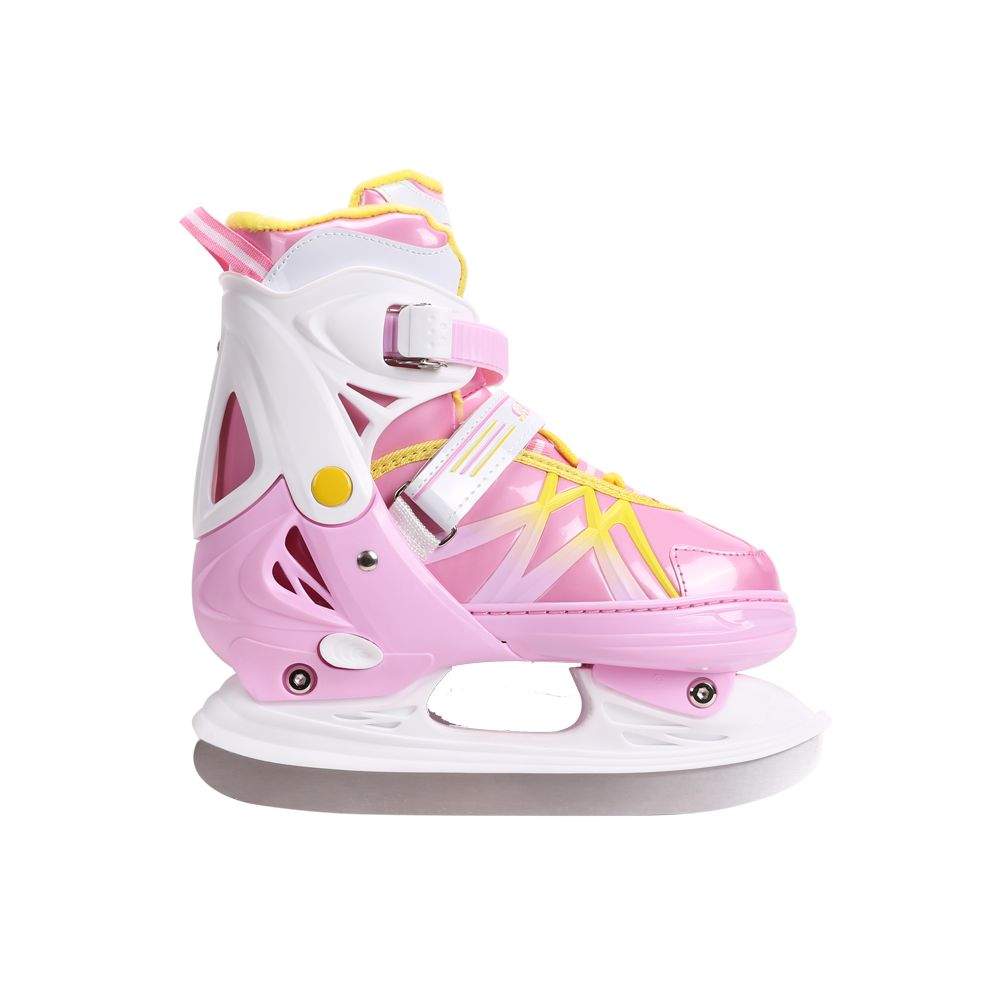
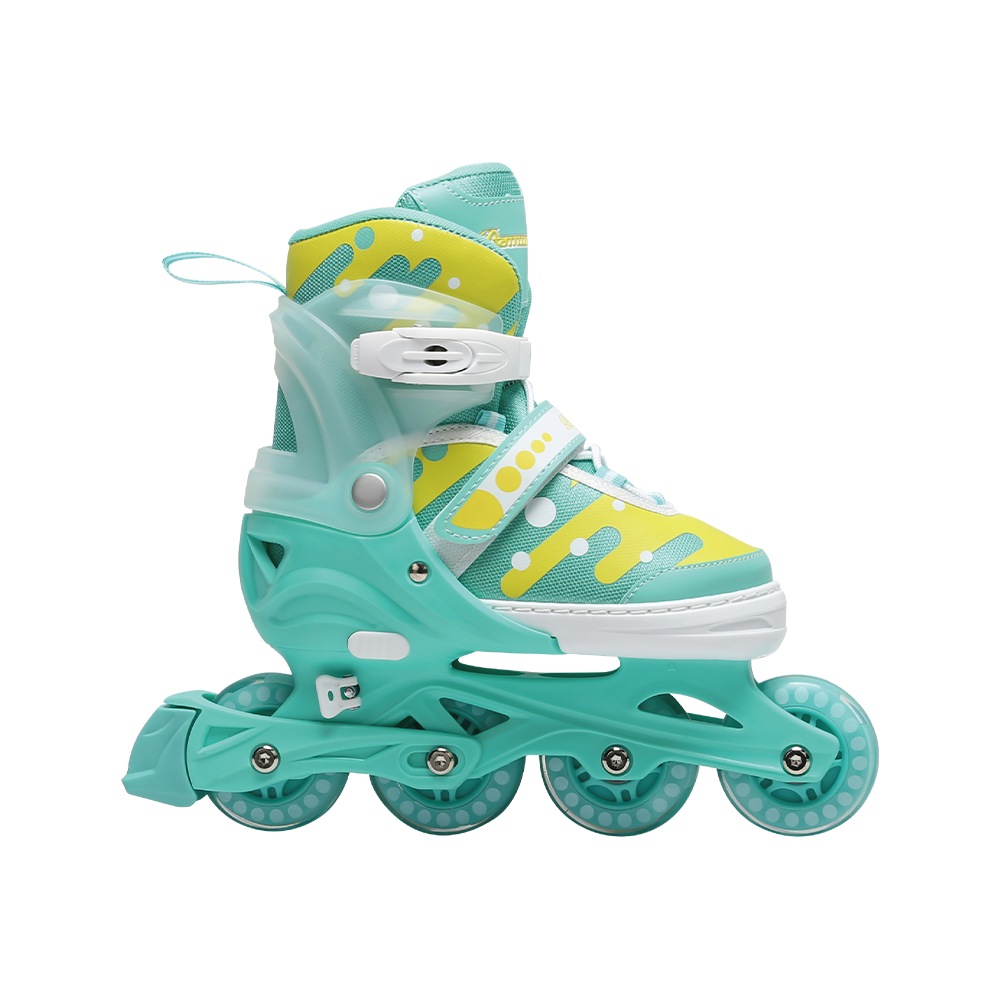 BW-230-4 CPC Certified Inline Skate for ChildrenCPC-certified children's inline skate with adjustable sizing and breathable upper, suited to compliant export orders and family recreation.View Product →
Two practical rules follow. Lock the market before you approve tooling, because a change of destination after the mold is cut usually means a change of material. And keep one certificate file per SKU, updated whenever a component supplier changes — auditors want the current version, not the one from the first sample round.
Helmets: Where Custom Programs Break First
Helmets fail custom programs for three reasons: the liner was downgraded to save cost, ventilation was enlarged without adding shell ribs, or the fit range was guessed from age rather than head circumference.
EPS density is the whole argument
Expanded polystyrene liners are typically specified in the 60–90 g/L range, depending on shell design and the impact energy the standard demands. Under that validated density, a helmet can still look right and survive a casual drop test while failing a certified one. If a supplier cannot name the liner density and the mold it came from, the quotation is not comparable to a real one.
Ventilation trades against stiffness
Every vent removes material from the shell. Good designs bridge or rib the space between the front vents, which is why cheaper helmets tend to have either small vents or a soft feel when squeezed. Test the production sample, never the golden sample.
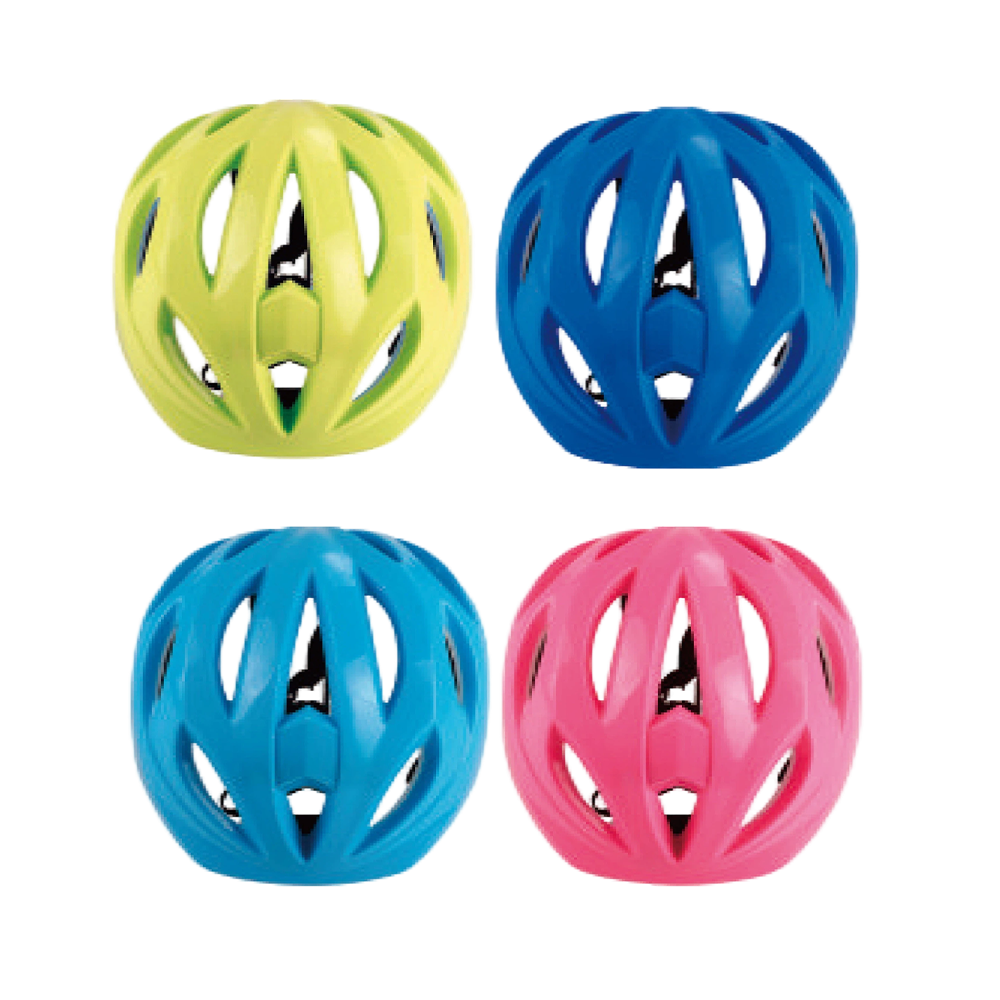
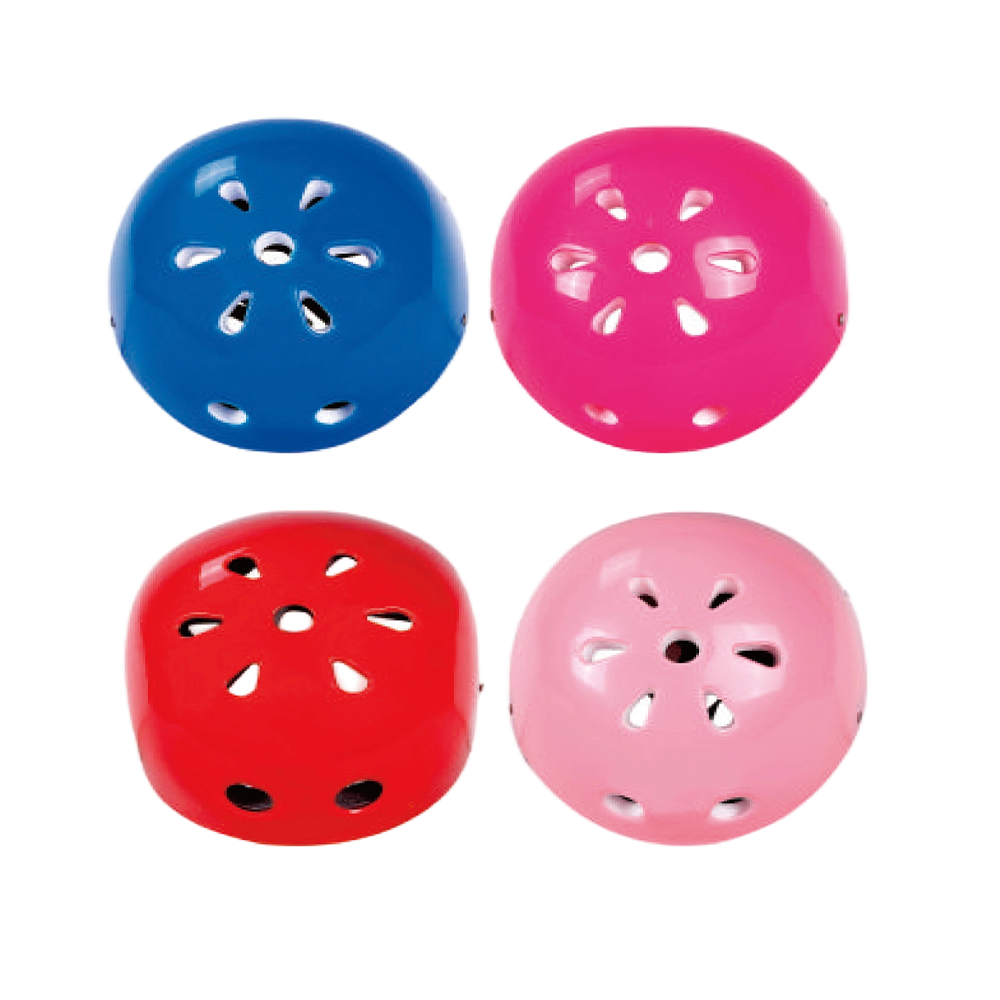 BW-013 High Impact Resistant Full-Face Safety HelmetFull-face ABS shell helmet with anti-fog PC goggles and removable washable earpieces, suited to motorcycling, BMX, skateboarding, and rafting.View Product →
Retention and the second order
Adjustable retention dials let one shell span a wider head range, and that is often the difference between a retailer reordering and a retailer discounting. Strap geometry matters just as much: a chin strap set too far forward feels loose no matter how tight the dial is.
Pads and Protective Sets: Comfort Decides Reorders
Knee, elbow and wrist sets are the least technical items in a protective range and the most frequently returned. The cause is rarely impact performance — it is fit drift after two weeks of skating.
Foam choice and thickness
EVA foam is light and inexpensive, and it is fine for low-energy falls. High-elasticity foam holds its shape better under repeated compression, which matters when the pad sits over a sleeve rather than bare skin. Thickness counts for less than what sits on top of it: a hard cap spreads load, exposed foam does not.
Adjustability without slipping
Hook-and-loop straps with elastic inserts grip consistently; plain webbing loosens as the pad warms up. On a multi-sport pad sold as one SKU, size the strap for the largest limb in the target range and let the elastic take up the slack on smaller users.
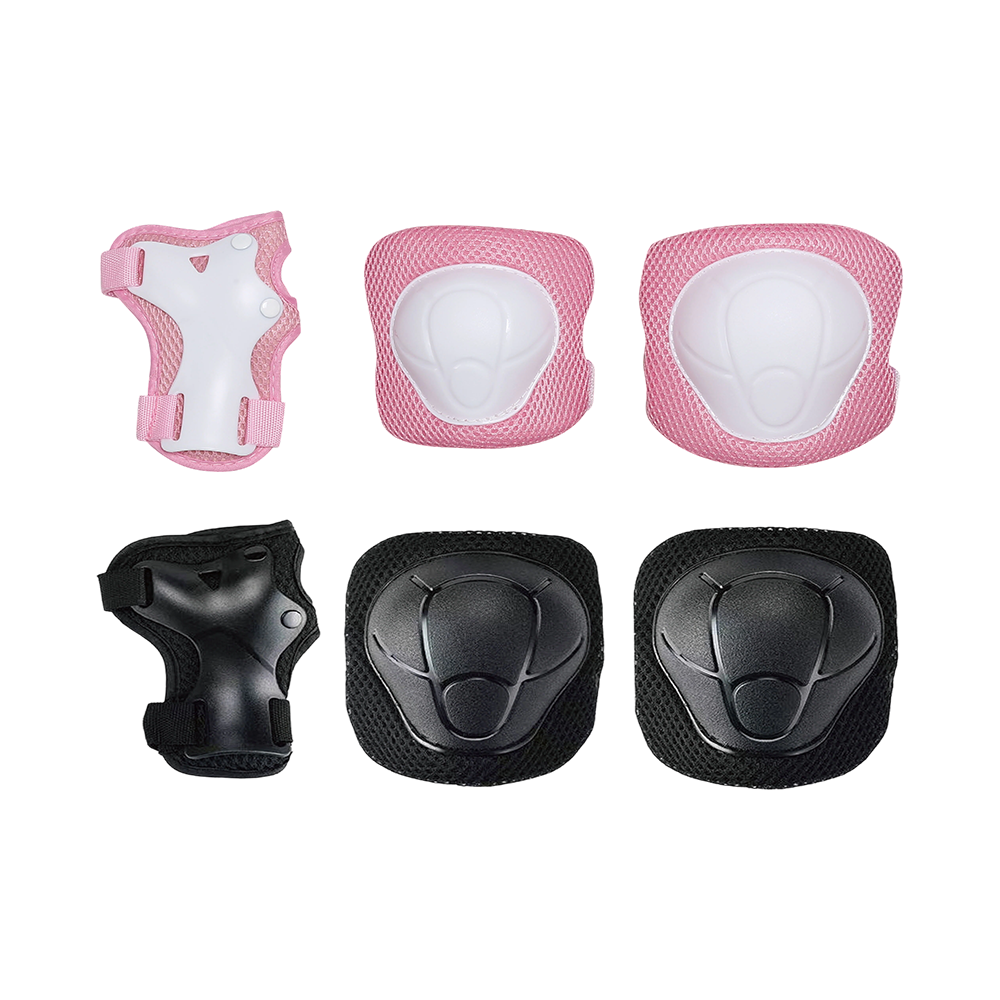
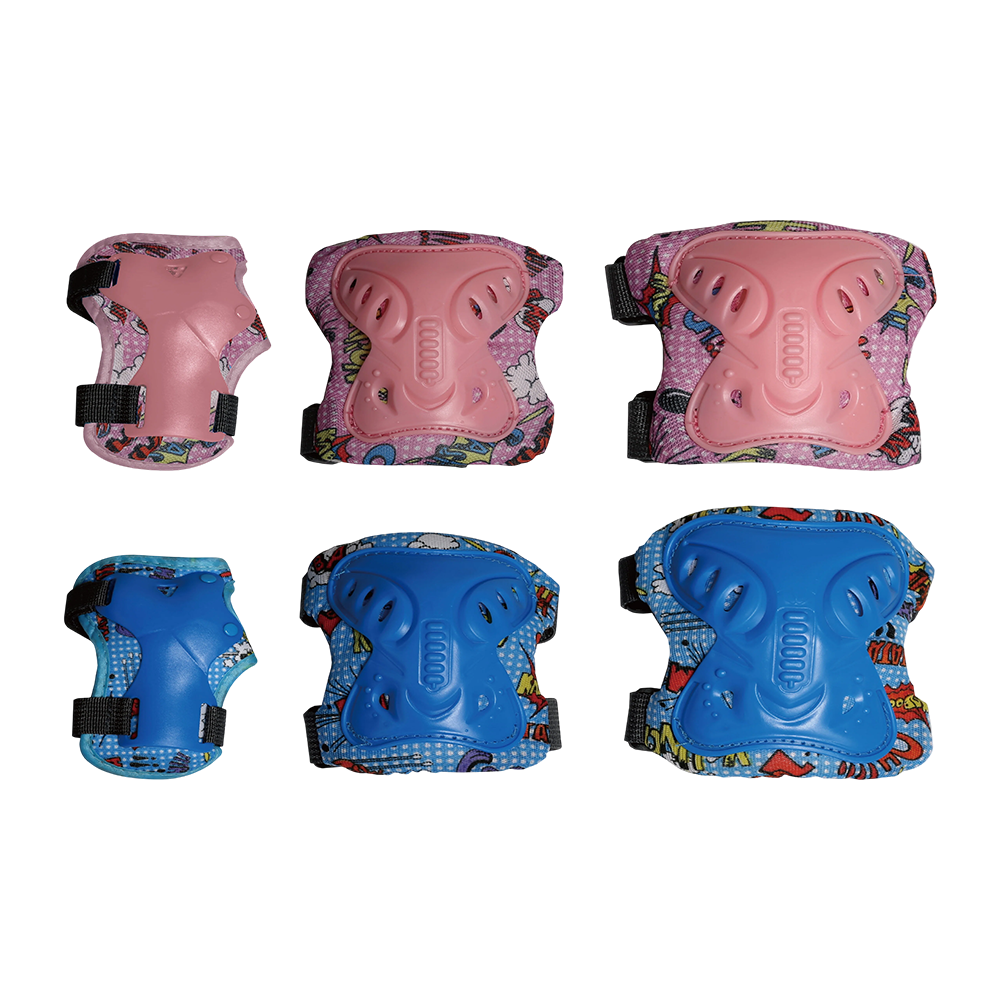 BW-06 Adjustable Elasticity Protective Gear for Sports and WorkAdjustable elastic protector with dual-strap fit and impact-absorbing shell, serving as knee, elbow, or wrist guard for sports and training.View Product →
- Set sizes from limb circumference, never from age or height.
- Define a strap-stretch tolerance after washing, and test it.
- When a pad ships inside a scooter or skate set, match colour and closure type so the set looks deliberate.
Tooling, Minimums and Lead Time
Three numbers decide most custom gear quotes: mold cost, minimum order quantity per SKU, and the time between artwork approval and the first shippable carton.
Where the tooling actually sits
A plant with its own mold shop, injection presses, sewing lines and assembly stations can absorb a revision in-house instead of waiting on an outside vendor. That is usually worth more than a lower quoted mold price, because changes during sampling are normal rather than exceptional — the difference shows up when a shell needs half a millimetre taken off an edge.
Order size and mixed containers
Per-SKU minimums are driven by print plates, colour changes and packaging, not by assembly. Mixing sizes within one SKU is simple; mixing colours inside one container is where minimums become real.
When speed beats custom
If the season is already starting, a program built entirely on new tooling arrives too late. Ready-to-ship stock covers children's scooters and inline skates in existing specifications, which lets a retailer test a category on one order and specify custom colours, liners and packaging on the reorder.
Frequently Asked Questions
How much more does custom safety gear cost than a standard product?
Unit price moves modestly; upfront cost moves a lot. Molds, print plates and test samples are one-time costs spread across the order, so a small first run can double the effective unit price. Break-even usually appears once volume covers tooling and one certification round.
Can existing helmets or pads be relabelled instead of retooled?
Sometimes. Relabelling works when the destination market, the standard and the internal components all stay the same. Changing the market, the liner or the shell thickness normally triggers retesting — and retesting is far cheaper than a recall.
What should a buyer include in a first inquiry?
- Product category and target age or size range.
- Destination market and the standards required there.
- Target landed cost and realistic annual volume.
- Customization scope: colour, logo, packaging or structure.
- Delivery window, including the retail season it must hit.
Getting the Specification Right the First Time
Custom safety gear rewards buyers who sequence their decisions: market and certificate first, materials second, fit range third, branding last. In that order, the tooling you pay for is tooling you keep. In reverse, every artwork revision becomes a new sample round.
Before approving a mold, ask any supplier three questions: which liner density is inside the sample, which standard it was tested against, and what changes would invalidate that test. A factory that answers all three without checking a file is one you can build a program with.
Recommended Articles

Get in Touch
Your email address will not be published. Required fields are marked *
Have a project in mind? Contact with us!
We are happy to answer your questions. Please fill out this form
and one of our professional team will get back to you as soon as possible.

We specialize in producing various types of children's toy cars, children's skateboards, and ice skates.
