
 En
 Español
 русский
 عربى

OEM Protective Gear Kit Supplier: Sourcing Helmets, Pads and Sets from China
Date:Oct 30, 2026
Content
A European brand takes delivery of three pallets of children's protective gear kits and runs a routine pull test on the wrist guards. The helmets pass. The knee pads pass. The hook-and-loop straps on the wrist guards lose grip after roughly forty open-and-close cycles, the shipment goes back, and the product manager spends the next two weeks explaining the delay to fifteen retail accounts.
Nothing in that story was a design failure. It was a sourcing failure. The conclusion first, before the reasons: when you buy OEM protective gear kits, unit price should be the last variable you negotiate. Three questions decide whether a programme runs smoothly. Does the supplier control its own moulding, foam cutting, sewing and assembly? Do the certificates on file cover the exact helmet-and-pad combination you are shipping, rather than one component of it? And has anyone in the sales conversation actually stood on the production floor? Sample lead time, carton marks and packaging artwork all follow from those three answers.
What Actually Goes into an OEM Protective Gear Kit
A kit is not one product. It is a bundle of separately engineered items sharing a retail box: a helmet, two knee pads, two elbow pads, two wrist guards, and sometimes a mesh carry bag. Each item carries its own bill of materials, its own test report and its own failure modes. A supplier who only assembles helmets is rarely the right partner for the full set.
The helmet
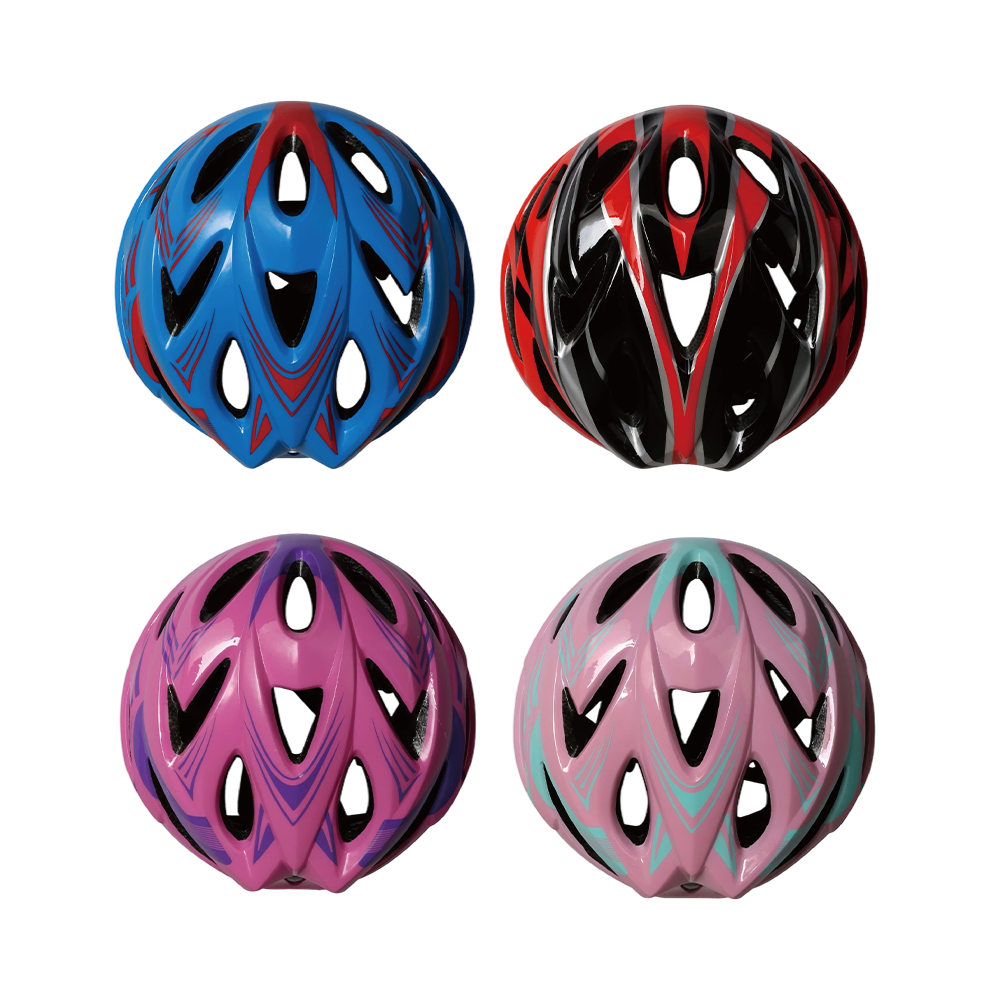
Typical construction for a children's skate or roller helmet is a PC or ABS shell over a high-density EPS liner, with a rear adjustment dial, a webbing chin strap and a quick-release buckle. Two production variables decide quality: liner density and shell coverage. A liner that is too soft will pass a drop test on day one and compress out of tolerance after a season of use.
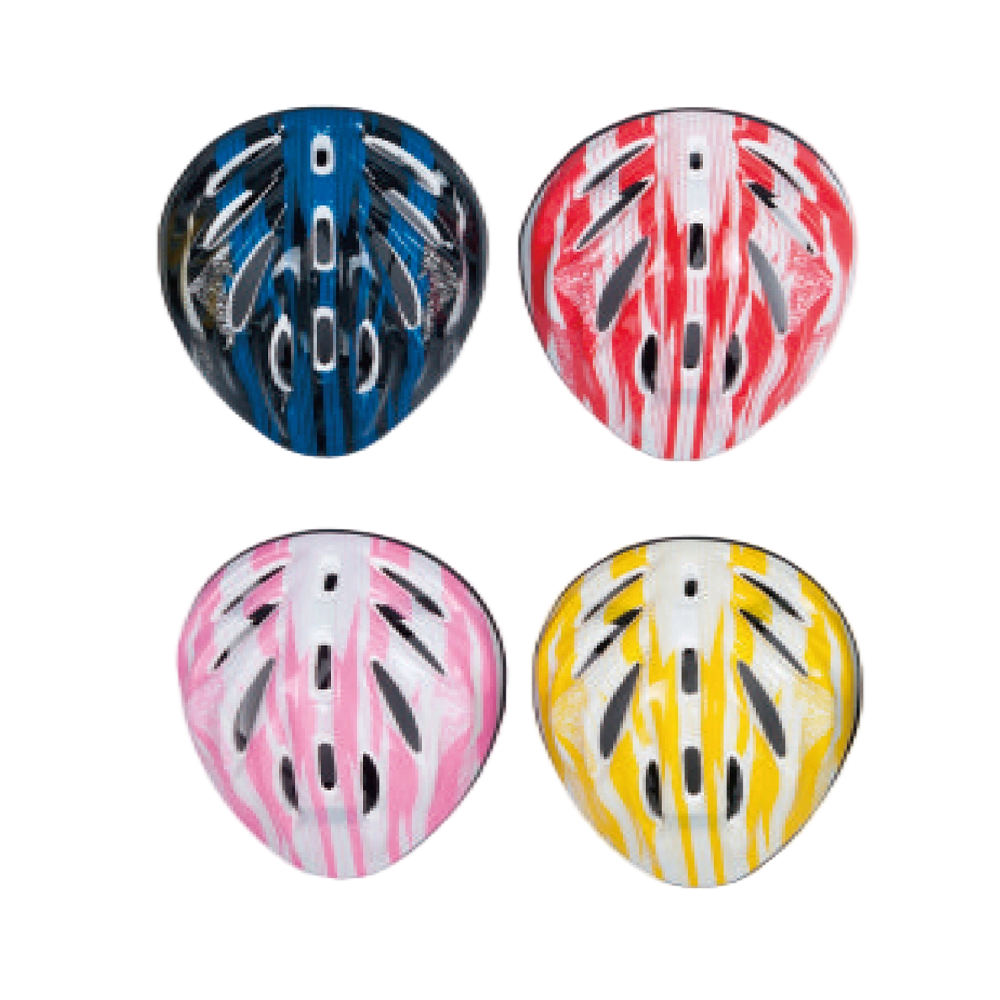 BW-015 High Density EPS In-Mold HelmetIn-mold high-density EPS helmet with full-face coverage and washable liner, relevant for cycling, skate, or motorcycle head protection.View Product →
The pad set
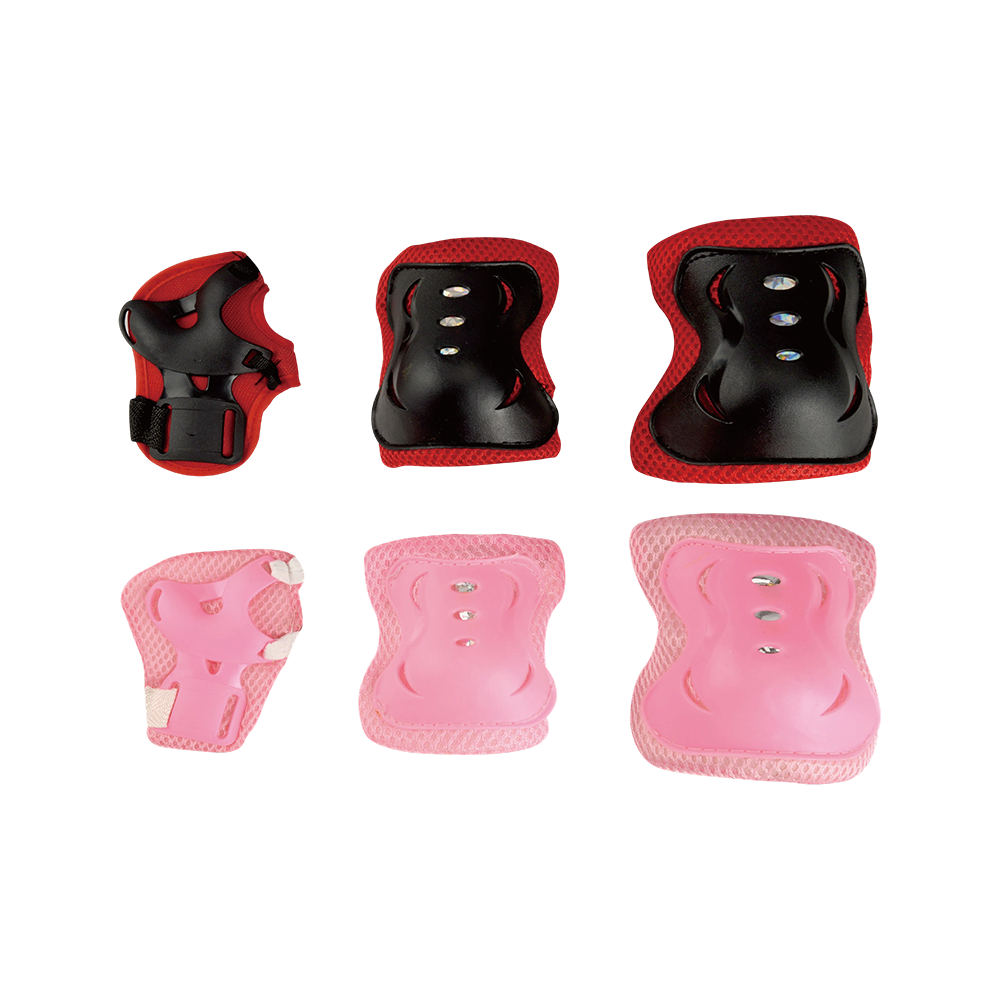
Knee and elbow guards usually combine a hard PP or PE cap, a foam body in EVA or high-elasticity foam cotton, a 600D polyester or mesh sleeve, and elastic straps closed with hook-and-loop tape. Cap thickness and foam density set impact performance; sleeve fabric and stitch density decide whether the pad survives a washing machine. Wrist guards are the item most likely to come back, because they take the full body weight in a fall.
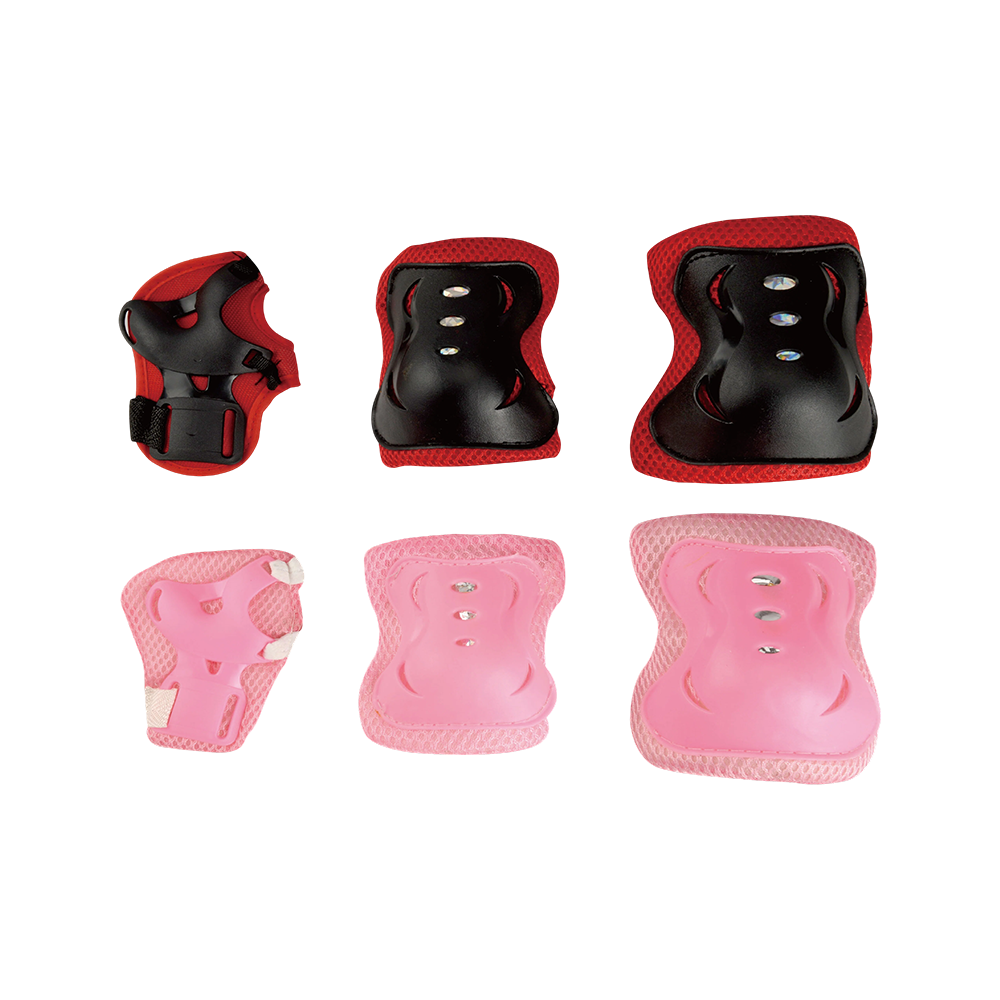 BW-02 EVA and Elastic Foam Cotton ProtectorHigh-resilience EVA and cotton foam protector for shock absorption, suitable as padding in knee, elbow, packaging, or case applications.View Product →
Reading the bill of materials
Ask for the BOM line by line, then check four things:
- Which components are moulded or sewn in-house and which are bought in
- Gram weight and density figures for EPS and foam, not the phrase "high density"
- Rated cycle life of the strap closure, plus the name of the buckle supplier
- Every material that touches skin, including sleeve lining and padding adhesive
Certificates Decide Whether the Kit Clears Customs
Certificates are issued per component and per market. A helmet report does not cover the pads, and a European report does not satisfy a US retailer. Map the destination market before you approve packaging artwork.
| Market | Helmet | Knee, elbow and wrist pads | Documentation buyers usually request |
|---|---|---|---|
| European Union | EN 1078 | EN 14120 | CE declaration of conformity, accredited-lab test reports, EN 71-3 migration data for parts a child may mouth |
| United States | ASTM F1492 | No single federal standard; CPSIA applies to children's products | Children's Product Certificate based on third-party laboratory testing |
| China | GB 24429 | GB 6675 where the item is classified as a toy | CCC certificate and national test report |
| Factory level | ISO 9001, BSCI social audit, retailer-specific factory audits | Valid audit report with the product scope stated, not a generic certificate | |
Two details cause most customs holds. First, the version year: standards are revised, and a report from a decade ago may not be accepted for a 2026 shipment. Second, the accessory rule: if the kit travels with an LED scooter or light-up wheels, EN 62115 and EMC requirements come into play as well. A factory that already maintains a portfolio such as 3C, CE, EN 71, EN 62115, ASTM, EMC and EN 13843:2009 has usually built the internal paperwork routines that keep those reports current.
Sizing and Tooling: Where Kit Programmes Lose Money
Most children's helmets sell in overlapping size ranges, for example 48-52 cm and 52-56 cm. One shell mould can serve both if liner thickness and dial travel change between them, but the mould must be validated in both configurations. Splitting a range badly is worse than offering a single size honestly.
On pads, sizing is about strap length and pad footprint rather than age labels. Elastic webbing can lose several percent of its length in the first warm wash, so measure the closed circumference after three wash cycles, not on the sample bench. Adjustable designs that spread load across a wide strap tend to stay in place better than fixed-size versions across a two-year age band.
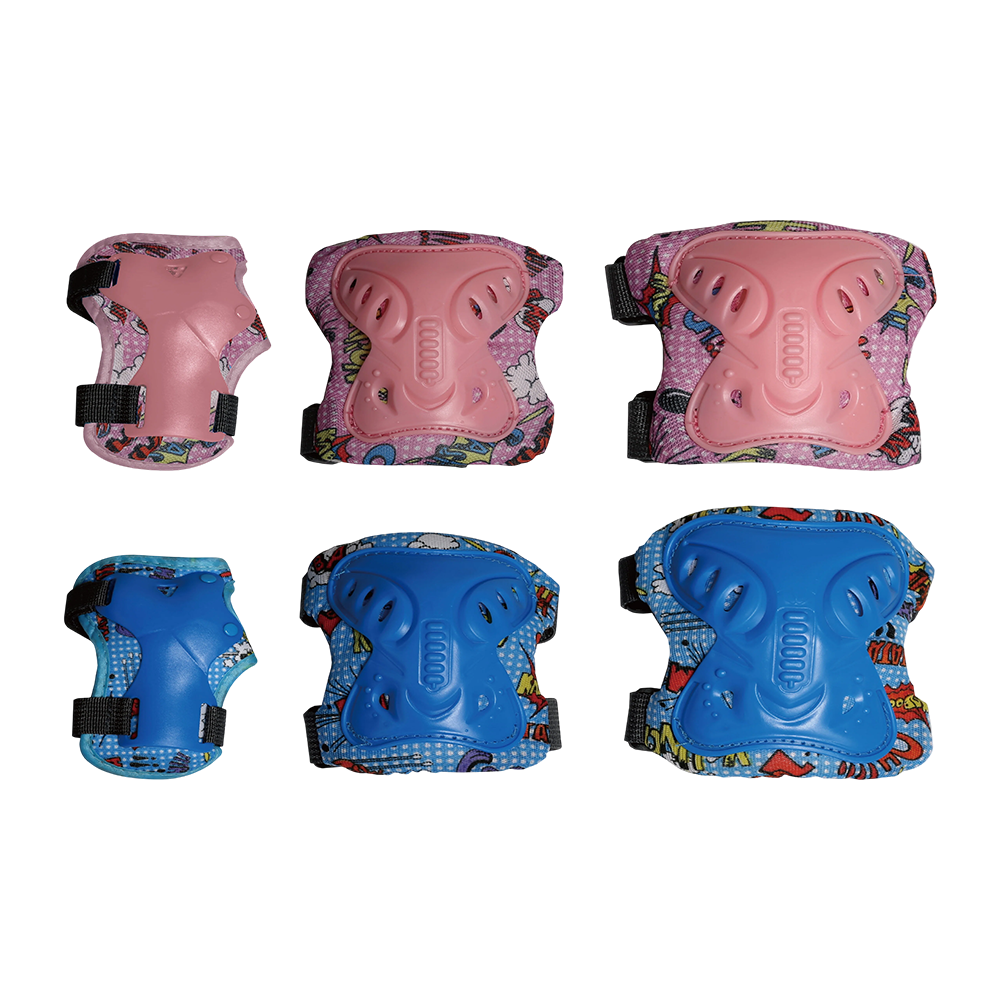 BW-06 Adjustable Elasticity Protective Gear with Dual AdjustmentAdjustable elastic protector with two-way straps and structured support, relevant for children's sports, athlete training, and industrial joint or back protection.View Product →
Tooling is the other hidden cost. A new helmet shell needs an injection mould, and a mould is a capital item with a cavity count, a steel grade and a validation round attached. Ask who owns the tool after the programme ends, and what happens to it if you move production to another supplier.
What a Factory Audit Should Cover
An audit report is only useful if you read the scope page. Five checks separate a real manufacturing partner from a trading office:
- Does the ISO 9001 scope name helmets and protective pads, or only scooters?
- Are EPS liners moulded in-house, or bought from a third party and re-branded?
- Is the sewing floor in the same building as final assembly?
- Which laboratory issued the test reports, and is that laboratory accredited?
- Who signs and seals the golden sample, and where is it stored?
Ningbo Feile Sporting Goods Co., Ltd. shows what that structure looks like when it is genuine. The company runs mould, injection, sewing and assembly workshops under one roof in Yuyao, Zhejiang, with five automated production lines, 20,000 square metres of floor space and more than 200 employees, alongside a long-standing R&D engineering team and a portfolio of national patents. Its factory holds ISO 9001, BSCI and retailer factory certification, and its products carry 3C, CE, EN 71, EN 62115, ASTM, EMC and EN 13843:2009 certificates. None of that replaces your own audit, but it shortens it considerably.
Custom Programme or Ready-to-Ship: Choosing the Order Structure
A brand entering a new category usually should not fund a shell mould for its first purchase order. Stock runs let you validate listing photography, returns data and price positioning before you commit to tooling, and they are also the fastest way to put samples in a buyer's hands. A ready-to-ship stock programme exists for exactly that stage.
Custom programmes make sense once volume justifies the tooling. Budget the boring parts: colour matching of webbing, plastic and foam across three different vendors, tolerance on the strap print, and a sealed golden sample that both sides sign. Those four items cause more first-order delays than manufacturing ever does.
Frequently Asked Questions
Can one helmet shell mould cover two size ranges?
Often yes, if liner thickness and dial travel are re-specified for each range. The mould must be validated in both configurations, so ask for impact data from each, not an average of the two.
Do the pads need separate test reports if the helmet is already certified?
Yes. Helmet and pad standards are separate documents, typically EN 1078 and EN 14120 in Europe, and ASTM F1492 for helmets in the United States. A kit shipped with only a helmet report has an incomplete file.
What usually delays a first protective gear order?
Colour matching, strap hardware changes and packaging artwork approval, in that order. Tooling itself is rarely the bottleneck once the drawing is frozen.
Should a kit be tested as a set?
Test each component against its own standard, then verify that the retail box carries the combined warnings and age grading. Regulators look at components; retailers look at the box.
A protective gear kit is a low-ticket product with a high cost of failure, which is why the supplier shortlist should be built on process control and paperwork rather than on a price list. Compare component-level certificates against your destination market first, audit or video-audit the moulding and sewing floors second, and only then negotiate tooling and unit price with someone who can show you the machine that will run your order. If you have a specification, a target price and a launch date, send the details over and we will tell you honestly whether the project belongs in a stock programme or a custom tooling build.
Recommended Articles

Get in Touch
Your email address will not be published. Required fields are marked *
Have a project in mind? Contact with us!
We are happy to answer your questions. Please fill out this form
and one of our professional team will get back to you as soon as possible.

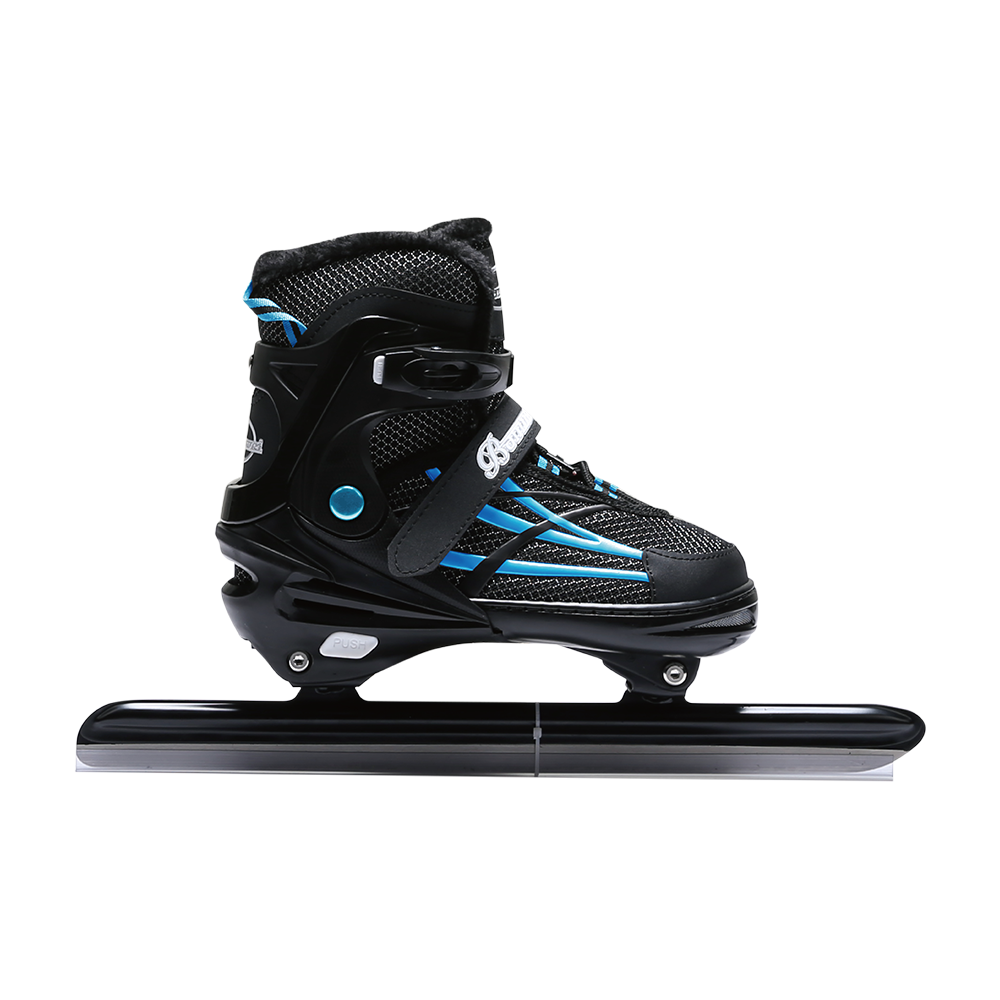
We specialize in producing various types of children's toy cars, children's skateboards, and ice skates.
